Frequently Asked Questions
How can I schedule a fire sprinkler inspection?
You can schedule a fire sprinkler inspection by contacting a licensed fire protection company through their website, phone, or email. Most providers offer flexible scheduling options and can set up recurring inspections to keep your system compliant.
What are the benefits of regular fire sprinkler inspections?
Regular inspections help ensure your system operates correctly during emergencies, reduce the risk of system failure, maintain compliance with safety codes, and protect lives and property. They also help identify minor issues before they become costly repairs.
What safety standards do fire sprinkler inspections ensure compliance with?
Fire sprinkler inspections typically ensure compliance with standards such as NFPA 25, local fire codes, and other regulatory requirements. These standards focus on proper maintenance, testing, and reliability of fire protection systems.
How does Crisp-LaDew Fire Protection ensure quality in their inspection services?
Crisp-LaDew Fire Protection ensures quality by using trained technicians, following industry standards, performing detailed system evaluations, and providing accurate reporting. Their inspections are designed to meet compliance requirements while maintaining system reliability.
What should I expect during a fire sprinkler inspection?
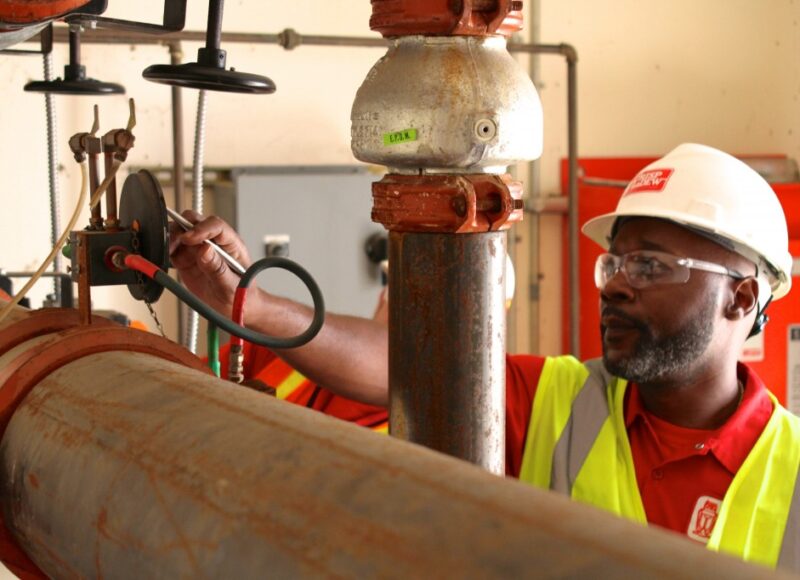
During an inspection, technicians will check sprinkler heads, valves, pipes, alarms, and control systems. They may test water flow, inspect for leaks or corrosion, and verify that all components are functioning properly.
How often should fire sprinkler inspections occur?
Inspection frequency depends on local regulations and system type, but many systems require monthly, quarterly, and annual inspections. Regular scheduling ensures ongoing compliance and system readiness.
What is included in a fire sprinkler inspection?
A typical inspection includes checking sprinkler heads, control valves, pressure levels, piping conditions, alarms, and water flow. Technicians also look for damage, blockages, or signs of wear that could affect performance.
Who needs to schedule fire sprinkler inspections?
Property owners, facility managers, and business operators with installed fire sprinkler systems are responsible for scheduling inspections. This includes commercial buildings, industrial facilities, and certain residential properties.
What are common issues found during inspections?
Common issues include corroded pipes, blocked or painted sprinkler heads, low water pressure, leaks, and malfunctioning valves or alarms. These issues can reduce system effectiveness if not addressed.
How long does a fire sprinkler inspection take?
The duration of an inspection depends on the size and complexity of the system. Smaller systems may take an hour or two, while larger facilities may require several hours or multiple visits.
What qualifications should an inspector have?
Inspectors should be trained and certified in fire protection systems, with knowledge of NFPA standards and local codes. Experience with inspection, testing, and maintenance procedures is also essential.
How can I prepare for an inspection?
To prepare, ensure access to all system components, clear obstructions around sprinkler heads and valves, and provide any previous inspection records. This helps technicians complete the inspection efficiently.
What happens if my system fails inspection?
If your system fails inspection, you will receive a report outlining deficiencies. Repairs or corrective actions must be completed promptly to bring the system back into compliance and ensure safety.
Are inspections required by law?
Yes, fire sprinkler inspections are typically required by law under local fire codes and safety regulations. Compliance helps ensure systems are ready to respond during emergencies.
How do inspections improve fire safety?
Inspections improve fire safety by identifying and correcting issues that could prevent the system from working properly. This ensures reliable operation in the event of a fire, protecting occupants and property.
What types of facilities require inspections?
Facilities that require inspections include commercial buildings, warehouses, manufacturing plants, healthcare facilities, schools, and multi-family residential properties with fire sprinkler systems.
Can I perform my own fire sprinkler inspection?
While basic visual checks can be done by property owners, official inspections must be performed by licensed professionals to meet code requirements and ensure compliance.
What technology is used in inspections?
The technology used in inspections includes advanced software for data management, digital tools for precise measurement, and specialized equipment that ensures compliance with NFPA standards, enhancing the accuracy and efficiency of fire sprinkler system evaluations.
What are the consequences of skipping inspections?
Skipping inspections can lead to system failure, increased safety risks, code violations, fines, and potential insurance issues. It may also result in higher repair costs over time.
How do inspections affect insurance premiums?
Regular inspections can positively impact insurance premiums by demonstrating that your fire protection system is properly maintained and compliant. This reduces risk and may lower insurance costs.
What documentation is provided after an inspection?
After an inspection, you will typically receive a detailed report outlining system condition, any deficiencies, recommended repairs, and confirmation of compliance status.
How can I ensure my system is compliant?
To ensure compliance, follow inspection schedules, address any deficiencies promptly, and work with certified fire protection professionals who adhere to industry standards and local regulations.
What should I do if I have questions?
If you have questions, contact your fire protection service provider directly. They can provide guidance, clarify inspection results, and help you understand maintenance or compliance requirements.
How does Crisp-LaDew handle inspection scheduling?
Crisp-LaDew Fire Protection typically offers scheduled service plans, reminders, and flexible appointment options to ensure inspections are completed on time and in accordance with regulations.
What are the latest regulations for inspections?
The latest regulations are based on NFPA standards and local fire codes, which may be updated periodically. It’s important to stay informed through your service provider to ensure ongoing compliance.
How can I verify an inspectors credentials?
You can verify an inspector’s credentials by checking certifications, licenses, and affiliations with recognized fire protection organizations. Reputable companies will provide proof of qualifications upon request.
What maintenance is required between inspections?
Between inspections, maintain clear access to system components, monitor for visible damage or leaks, and address minor issues promptly. Regular upkeep helps ensure the system remains in good working condition.
 Search