 Search
June 19, 2026 • Fire alarms, Fire Sprinklers, General Information
Fire System Inspection and Maintenance Guidelines
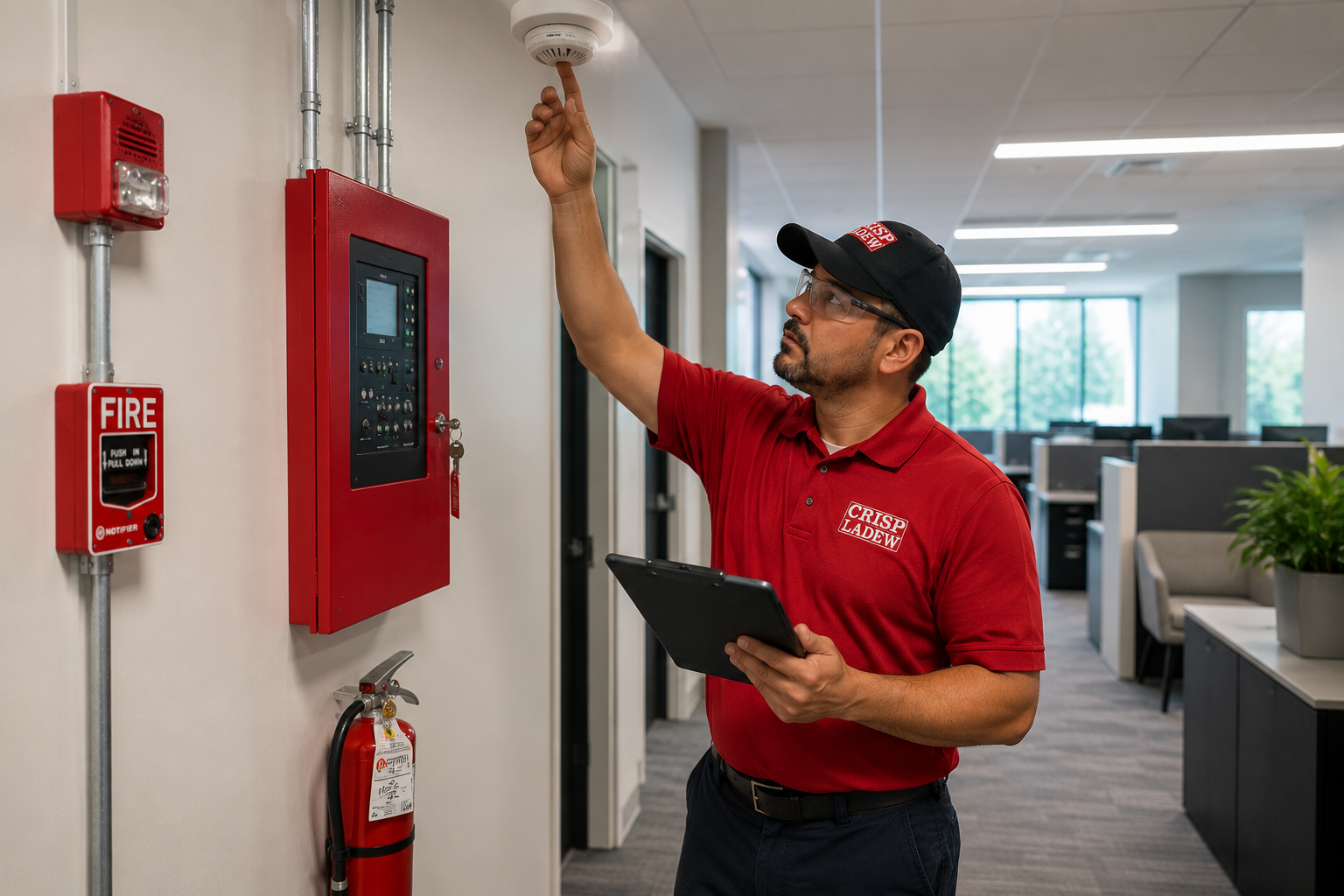
The importance of regular inspections cannot be overstated, as they help identify potential hazards and ensure that fire protection systems function effectively. This article will cover the inspection requirements for fire alarm systems, fire sprinkler systems, and fire suppression systems, as well as general maintenance requirements and compliance considerations. By following these guidelines, businesses can enhance safety, reduce liability, and ensure compliance with legal standards.
Fire Alarm Systems (NFPA 72)
Fire alarm systems are critical for early detection and alerting occupants in case of a fire. According to NFPA 72, these systems require specific inspection and testing protocols to ensure their reliability. Visual inspections should be conducted annually, while monthly testing of components is necessary to verify functionality. Documentation of these inspections is also essential for compliance and safety records.
Key Inspection Tasks for Fire Alarm Systems
- Visual Inspections: Conducted annually to check for physical damage and proper placement of alarm devices.
- Monthly Testing: Involves testing all components, including alarm panels and detectors, to ensure they are operational.
- Documentation: Maintaining records of inspections and tests is crucial for compliance with NFPA standards.
Fire Sprinkler Systems (NFPA 25)
Fire sprinkler systems are designed to suppress fires automatically. NFPA 25 outlines the inspection requirements for these systems, which include annual inspections by qualified technicians and semi-annual checks for wet pipe systems. Proper documentation of these inspections is vital for maintaining compliance and ensuring the system’s effectiveness.
For comprehensive fire protection services, including inspections and maintenance, consider Crisp-LaDew Fire Protection. Their expertise ensures your systems are always ready to operate effectively.
Recommended Inspection Frequencies for Fire Sprinkler Systems
- Annual Inspections: Required for all sprinkler systems to assess overall functionality and compliance.
- Semi-Annual Checks: Necessary for wet pipe systems to ensure that the system is free from obstructions and in good working order.
- Documentation: Keeping detailed records of inspections helps in maintaining compliance with NFPA 25.
Fire Suppression Systems
Fire suppression systems are essential for controlling and extinguishing fires in specific environments, such as kitchens or industrial settings. These systems require routine inspections, and the frequency of these inspections can vary based on the type of system installed. Regular maintenance ensures that these systems are ready to operate when needed.
Maintenance Requirements for Fire Suppression Systems
- Routine Inspections: Conducted regularly to ensure that all components are functioning correctly.
- Frequency Variations: Inspection frequency may vary depending on the type of suppression system, such as wet chemical or dry chemical systems.
- Documentation: Maintaining records of inspections and maintenance activities is crucial for compliance and safety assurance.
General Maintenance Requirements
General maintenance of fire systems is essential for identifying hazards and ensuring compliance with safety regulations. Routine checks should be performed to assess the condition of all fire protection systems, and documentation of these checks is vital for legal compliance.
To ensure your fire systems are always in top condition, consider professional fire system maintenance services. Regular upkeep can prevent costly repairs and ensure optimal performance.
Importance of General Maintenance
- Routine Checks: Regular inspections help identify potential hazards before they become serious issues.
- Documentation: Keeping accurate records of maintenance activities is essential for compliance with fire safety regulations.
- Compliance: Adhering to maintenance schedules ensures that businesses meet legal requirements and enhance overall safety.
Compliance and Legal Considerations
Non-compliance with fire safety regulations can lead to severe consequences, including fines and increased liability in the event of a fire. It is essential for businesses to consult local fire codes and maintain detailed records of all inspections and maintenance activities.
Consequences of Non-Compliance
- Fines and Penalties: Businesses may face significant fines for failing to comply with fire safety regulations.
- Increased Liability: Non-compliance can lead to increased liability in the event of a fire, putting both employees and customers at risk.
- Importance of Records: Maintaining detailed records of inspections and maintenance activities is crucial for demonstrating compliance.
What Are the Recommended Inspection Frequencies for Commercial Fire Sprinkler Systems?
The recommended inspection frequencies for commercial fire sprinkler systems vary based on the type of system and its components. Understanding these frequencies is essential for ensuring compliance and safety.
For reliable commercial fire sprinkler systems and inspections, partnering with a trusted provider is key. Ensure your systems meet all regulatory requirements with professional services.
Specific Inspection Frequencies
- Weekly Inspections: Required for deluge systems to ensure that all components are operational.
- Semi-Annual Inspections: Necessary for wet pipe systems to check for obstructions and functionality.
- Annual Inspections: Required for all sprinkler systems to assess overall performance and compliance.
How Does NFPA 25 Define Fire Sprinkler Inspection Intervals?
NFPA 25 provides clear guidelines on the inspection intervals for fire sprinkler systems. These guidelines help ensure that systems are maintained in optimal condition.
NFPA 25 Guidelines
- Weekly Inspections: For deluge systems to ensure readiness.
- Semi-Annual Inspections: For wet pipe systems to check for functionality.
- Annual Inspections: Comprehensive assessments of all sprinkler systems.
What Are the Key Maintenance Tasks During Fire Sprinkler Inspections?

During fire sprinkler inspections, several key maintenance tasks should be performed to ensure the system’s effectiveness and compliance with NFPA standards.
Key Maintenance Tasks
- Weekly and Semi-Annual Tasks: Include checking for obstructions and ensuring that all components are operational.
- Annual Responsibilities: Comprehensive assessments of the entire system to ensure compliance.
- Longer Interval Assessments: Required for specific components based on manufacturer recommendations.
How Often Should Commercial Fire Alarm Systems Be Tested and Inspected?
Commercial fire alarm systems should be tested and inspected regularly to ensure their reliability and compliance with NFPA standards.
Testing and Inspection Frequency
- Visual Inspections: Conducted annually to check for physical damage.
- Monthly Testing: Necessary to verify the functionality of all components.
- Documentation: Essential for compliance and safety records.
What Are the NFPA Requirements for Fire Alarm System Testing Frequency?
The NFPA outlines specific requirements for the testing frequency of fire alarm systems to ensure their reliability.
NFPA Requirements
- Inspection Frequency Guidelines: Visual inspections annually and monthly testing of components.
- Testing Requirements: All components must be tested monthly to ensure functionality.
- Documentation of Tests: Maintaining records is crucial for compliance.
Which Components Are Critical During Fire Alarm Inspections?
Certain components of fire alarm systems are critical during inspections to ensure their effectiveness.
Critical Components
- Visual Inspection of Components: Essential for identifying physical damage.
- Functional Testing of Alarms: Necessary to verify that alarms are operational.
- Documentation Review: Important for compliance and safety records.
What Is the Recommended Schedule for Fire Suppression System Service Intervals?
The recommended service intervals for fire suppression systems vary based on the type of system and its components.
Service Intervals
- Monthly Testing: Required for fire alarms to ensure functionality.
- Visual Inspections: Conducted annually to check for physical damage.
- Annual Inspections: Necessary for all components to ensure compliance.
How Do Inspection Frequencies Vary by Type of Fire Suppression System?
Inspection frequencies can vary significantly based on the type of fire suppression system installed.
Variation in Inspection Frequencies
- Different Frequencies: Vary for different systems, such as wet chemical versus dry chemical systems.
- Importance of Compliance: Adhering to inspection frequencies is crucial for safety.
- Documentation of Inspections: Essential for demonstrating compliance.
What Are the Compliance Standards for Fire Suppression System Testing?
Compliance standards for testing fire suppression systems are essential for ensuring safety and effectiveness.
Compliance Standards
- Regulatory Requirements: Must be followed to ensure compliance with fire safety regulations.
- Testing Frequency Guidelines: Established by NFPA to ensure systems are operational.
- Documentation for Compliance: Maintaining records is crucial for demonstrating adherence to standards.
How Can Businesses Ensure Compliance with NFPA Fire System Inspection Requirements?
Businesses can take several steps to ensure compliance with NFPA fire system inspection requirements.
Ensuring Compliance
- Regular Inspections and Tests: Conducting inspections and tests as per NFPA guidelines.
- Maintaining Detailed Logs: Keeping accurate records of all inspections and maintenance activities.
- Consulting with Fire Safety Professionals: Seeking expert advice to ensure compliance.
Who Is Qualified to Perform Commercial Fire System Inspections?
Qualified professionals are essential for conducting commercial fire system inspections to ensure compliance and safety.
For expert commercial fire system inspections, ensure you hire certified and experienced professionals. Proper qualifications are crucial for accurate assessments and compliance.
Qualifications for Inspectors
- Certification Requirements: Inspectors must be certified to perform inspections.
- Experience Needed: Relevant experience is crucial for effective inspections.
- Importance of Hiring Professionals: Ensures compliance and safety.
What Are the Benefits of Regular Fire System Inspections for Safety and Liability?
Regular fire system inspections offer numerous benefits for safety and liability.
Benefits of Regular Inspections
- Enhanced Safety: Regular inspections help identify potential hazards.
- Legal Compliance: Ensures adherence to fire safety regulations.
- Insurance Benefits: Maintaining compliance can lead to lower insurance premiums.