 Search
June 29, 2026 • Fire Sprinklers
Essential Compliance Guide for Businesses
In Texas, understanding fire sprinkler inspection requirements is essential for businesses to maintain safety and comply with state and local regulations. Fire sprinkler systems play a critical role in protecting lives, property, and business operations from fire hazards.
This guide outlines the key Texas regulations, required inspection frequencies, licensing requirements, and best practices for maintaining compliance. For businesses in the Dallas–Fort Worth area, staying aligned with these standards not only reduces risk but also ensures uninterrupted operations and code compliance.
What Are the Key Texas Fire Sprinkler Code Regulations for Businesses?
Texas fire sprinkler regulations are designed to ensure that fire protection systems are properly installed, inspected, tested, and maintained. These requirements are enforced at both the state and local levels.
Compliance is mandatory for commercial properties and is critical to avoiding fines, failed inspections, or increased liability in the event of a fire.
Which Texas Fire Codes Govern Fire Sprinkler Systems?
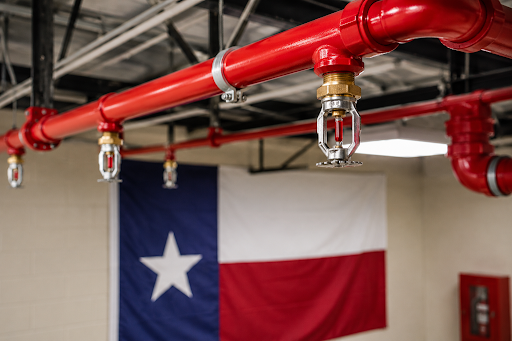
Fire sprinkler systems in Texas are governed by:
- The International Fire Code (IFC) (as adopted by local jurisdictions)
- NFPA 25 – Standard for the Inspection, Testing, and Maintenance of Water-Based Fire Protection Systems
- Texas Administrative Code regulations enforced by the Texas Department of Insurance (TDI), State Fire Marshal’s Office
NFPA 25 establishes the minimum requirements for the periodic inspection, testing, and maintenance of water-based fire protection systems, including:
- Automatic sprinkler systems
- Standpipe systems
- Fire pumps
- Water storage tanks
- Fire service mains
These standards ensure systems remain operational and reliable during an emergency.
In Texas, fire sprinkler contractors must be licensed through the Texas Department of Insurance (TDI). Inspections, testing, and maintenance must be performed by properly licensed companies to remain compliant.
How Do These Codes Impact Commercial Fire Sprinkler Requirements?
Failure to comply with Texas fire codes can result in:
- Failed fire marshal inspections
- Fines and penalties
- Increased insurance liability
- Business interruption
Commercial property owners are responsible for ensuring their fire sprinkler systems are properly maintained and documented. Working with licensed and experienced fire protection professionals ensures compliance with both NFPA standards and local Authority Having Jurisdiction (AHJ) requirements.
How Often Must Fire Sprinklers Be Inspected and Certified in Texas?
Regular inspection and testing are required under NFPA 25 to ensure systems remain functional and code-compliant.
Required Inspection Frequencies:
Annual Inspections includes:
- Water flow devices
- Supervisory signal devices
- Alarm system interface checks
- Visual inspection of control valves
- Alarm devices
- Pressure gauges
- General system condition
- Sprinkler head condition
- Pipe and fitting assessment
- Fire department connection
5 Year Inspection
- Internal pipe inspection
- Obstruction investigation where required
- Standpipe systems
- Fire Department Connection Hydro Test
10/20/50 Year Head Testing (or as required by sprinkler head type):
- Dry pendant fire sprinklers
- Quick response heads
- Standard Sprinkler Heads
WEEKLY, MONTHLY, QUARTERLY ARE USUALLY AN INSURANCE-DRIVEN
Maintaining these intervals is essential for compliance and long-term system reliability.
Who Is Authorized to Perform Fire Sprinkler Inspections in Texas?
In Texas, fire sprinkler inspections must be conducted by licensed fire protection companies registered with the Texas Department of Insurance (TDI), State Fire Marshal’s Office.
Many reputable companies also employ NICET-certified technicians, which demonstrates advanced knowledge in fire protection systems.
Businesses should always verify:
- Active Texas licensing
- Proper inspection documentation
- Current inspection tags on equipment
Professional Fire Protection Services in Dallas–Fort Worth
Businesses in the Dallas–Fort Worth area have access to licensed fire protection providers offering:
- Fire sprinkler system design and installation
- Routine inspections and testing
- Preventive maintenance programs
- System repairs and upgrades
- Emergency service support
Local providers understand municipal fire codes and can help ensure compliance with city-specific regulations beyond NFPA 25 requirements.
Partnering with a qualified fire protection company helps businesses stay ahead of inspection deadlines and maintain operational readiness.
Fire Sprinkler Compliance Checklist for Texas Businesses
To maintain compliance and reduce fire risk, Texas businesses should:
✔ Schedule Required Inspections Follow NFPA 25 timelines for weekly, quarterly, annual, and multi-year inspections.
✔ Maintain Documentation Keep detailed records of inspections, testing, maintenance, and repairs.
✔ Verify Licensing Confirm your fire sprinkler contractor is licensed through the Texas Department of Insurance (TDI).
✔ Train Staff Ensure employees understand emergency procedures and know how to report system issues.
✔ Address Repairs Promptly Correct deficiencies identified during inspections immediately.
Final Thoughts
Fire sprinkler inspection requirements in Texas are not optional—they are critical for life safety, legal compliance, and business continuity.
By following NFPA 25 standards, working with licensed professionals, and maintaining accurate documentation, businesses can ensure their fire protection systems are ready to perform when needed most.
For businesses in the Dallas–Fort Worth area, partnering with a qualified fire protection provider helps simplify compliance and maintain long-term safety.