 Search
June 8, 2026 • Fire Sprinklers
Ensuring Safety Through Effective Fire Sprinkler Maintenance
Fire protection is a fundamental component of business safety, yet many organizations make avoidable mistakes that increase their vulnerability to fire hazards. Recognizing and addressing these common errors—especially those related to sprinkler infrastructure and their upkeep—is essential for protecting assets, ensuring regulatory adherence, and safeguarding lives. This article highlights key fire safety mistakes businesses often make and outlines practical strategies for maintaining fire sprinkler systems effectively.
Top Fire Protection Mistakes That Put Businesses at Risk
Many businesses underestimate the importance of proactive life safety management, leading to costly and dangerous consequences. The most frequent mistakes include:
- Overlooking Scheduled Fire Sprinkler Inspections and Maintenance: Failure to conduct timely inspections and upkeep can result in undetected system malfunctions, reducing the effectiveness of sprinklers during emergencies.
- Non-Adherence to Fire Safety Regulations: Ignoring or misunderstanding local fire codes and standards, such as those set by the National Fire Protection Association (NFPA), can lead to legal penalties and compromised safety.
- Poor Record-Keeping and Documentation: Inadequate documentation of inspections, repairs, and maintenance activities makes it difficult to demonstrate adherence during audits and can hinder timely identification of system issues.
- Misconceptions About Fire Sprinkler Systems: Lack of proper knowledge about how sprinklers operate often leads to improper maintenance and underutilization of these critical safety systems.
Addressing these mistakes is vital to reducing fire risks and ensuring that life safety systems perform reliably when needed.
Effective Fire Sprinkler Maintenance: Best Practices for Business Safety
Maintaining sprinkler infrastructure according to industry standards is crucial for optimal performance. Businesses should implement the following best practices:
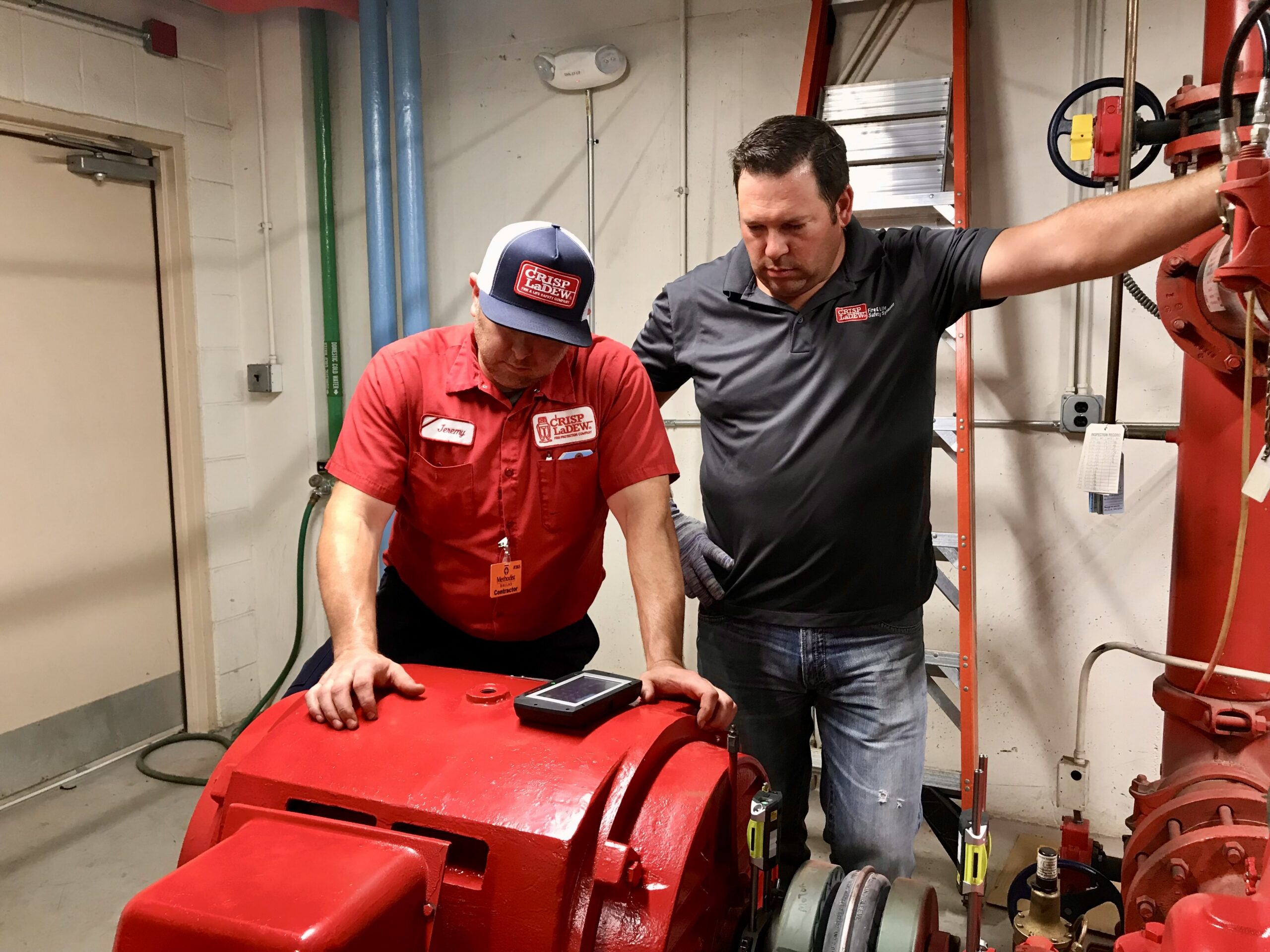
- Engage Certified Fire Protection Professionals: Qualified technicians should perform routine inspections, testing, and maintenance to ensure systems meet safety standards and function correctly.
- Follow NFPA Guidelines: Adherence to NFPA 25, which governs the inspection, testing, and maintenance of water-based fire protection systems, is essential for meeting code requirements and reliability.
- Maintain Comprehensive Documentation: Detailed records of all inspections, maintenance, and repairs support regulatory adherence and facilitate early detection of potential problems.
Consistent application of these practices helps prevent system failures and enhances overall fire safety within commercial properties.
Understanding Fire Protection Compliance and Regulatory Standards
Meeting fire safety regulations is both a legal obligation and a practical necessity for businesses. Key regulatory considerations include:
- Adherence to Local Fire Codes: Businesses must comply with jurisdiction-specific fire safety codes that dictate requirements for fire protection systems.
- Documentation and Proof of Compliance: Maintaining accurate records of inspections and maintenance is critical for demonstrating adherence during official inspections.
- Facility-Specific Requirements: Certain industries, such as food service or warehousing, may have additional fire safety mandates tailored to their operational risks.
Understanding and following these requirements helps businesses avoid penalties and maintain a safe environment.
Common Causes of Fire Sprinkler System Failures and Their Impact
Failures in sprinkler infrastructure can dramatically increase the severity of fire incidents. Typical causes include:
- Damaged or Obstructed Sprinkler Heads: Blockages or physical damage can prevent sprinklers from activating properly.
- Corrosion and Debris Build-Up: Internal system corrosion or debris accumulation can restrict water flow, compromising system effectiveness.
- Neglected Maintenance: Without regular professional upkeep, small issues can escalate into system-wide failures.
Proactive maintenance and timely repairs are essential to ensure sprinklers operate as intended during emergencies.
Fire Safety Violations That Increase Business Liability
Non-compliance with fire safety standards not only endangers lives but also exposes businesses to legal and financial risks. Common violations include:
- Skipping Scheduled Inspections: Failure to perform routine system checks can leave hazards unnoticed.
- Ignoring Fire Safety Regulations: Non-compliance with local codes can result in fines and legal consequences.
- Insufficient Employee Fire Safety Training: Lack of proper training can lead to ineffective emergency responses and increased risk.
Addressing these issues reduces liability and strengthens overall fire preparedness.
Key NFPA Codes Governing Commercial Fire Protection
Understanding relevant NFPA standards is critical for maintaining compliant and effective fire safety systems. Important codes include:
- NFPA 25: Provides detailed requirements for the inspection, testing, and maintenance of sprinkler systems.
- NFPA 72: Covers fire alarm system installation and maintenance to ensure timely fire detection and notification.
- NFPA 1: Serves as a comprehensive fire code addressing fire prevention and safety across various property types.
Compliance with these standards supports both safety and regulatory adherence.
Integrating Fire Safety into Commercial Operations
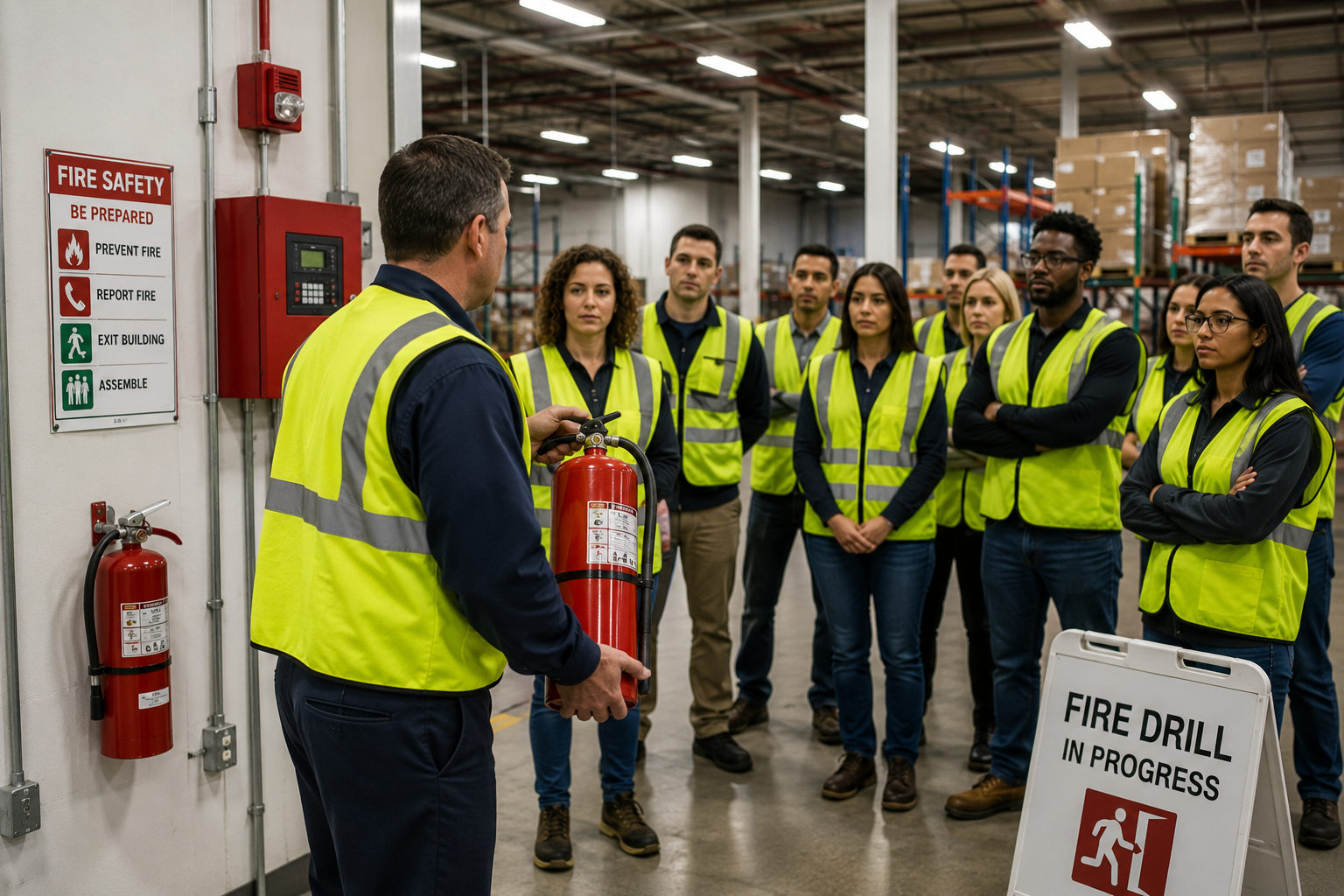
Effective fire safety goes beyond equipment upkeep to include employee training and risk management. Businesses should:
- Provide Regular Fire Safety Training: Educate employees on fire prevention, emergency procedures, and proper use of fire protection equipment.
- Conduct Fire Drills: Practice evacuation and response plans to ensure readiness.
- Maintain Fire Protection Equipment: Ensure fire extinguishers, alarms, and sprinkler systems are regularly inspected and functional.
These measures complement sprinkler maintenance to create a comprehensive safety strategy.
Managing Fire Risks in Commercial Outdoor Cooking Areas
Outdoor cooking facilities present unique fire hazards that require special attention as part of a business’s overall fire safety plan. To effectively manage these risks, businesses should:
- Use Appropriate Fire Protection Equipment: Equip outdoor cooking areas with fire extinguishers and blankets designed for grease and open-flame fires.
- Conduct Routine Equipment Inspections: Regularly check grills and cooking appliances to prevent malfunctions that could ignite fires.
- Train Employees: Ensure staff are familiar with fire safety protocols specific to outdoor cooking environments.
By integrating these precautions with regular sprinkler system maintenance and broader fire safety efforts, businesses can better protect their premises and personnel from fire-related incidents.
Essential Fire Sprinkler Maintenance Best Practices
Maintaining fire sprinkler systems is a cornerstone of effective commercial fire protection. Adhering to NFPA standards, particularly NFPA 25 and NFPA 72, ensures that fire safety equipment is reliable and meets regulatory requirements. Routine inspections and professional maintenance by certified technicians are essential to identify and resolve potential issues before they escalate. By addressing common mistakes—such as neglecting maintenance, poor documentation, and non-compliance—businesses can significantly reduce fire risks, protect assets, and safeguard occupants. Investing in comprehensive fire safety services and employee training further enhances safety and legal adherence, fostering a secure environment for business operations.