 Search
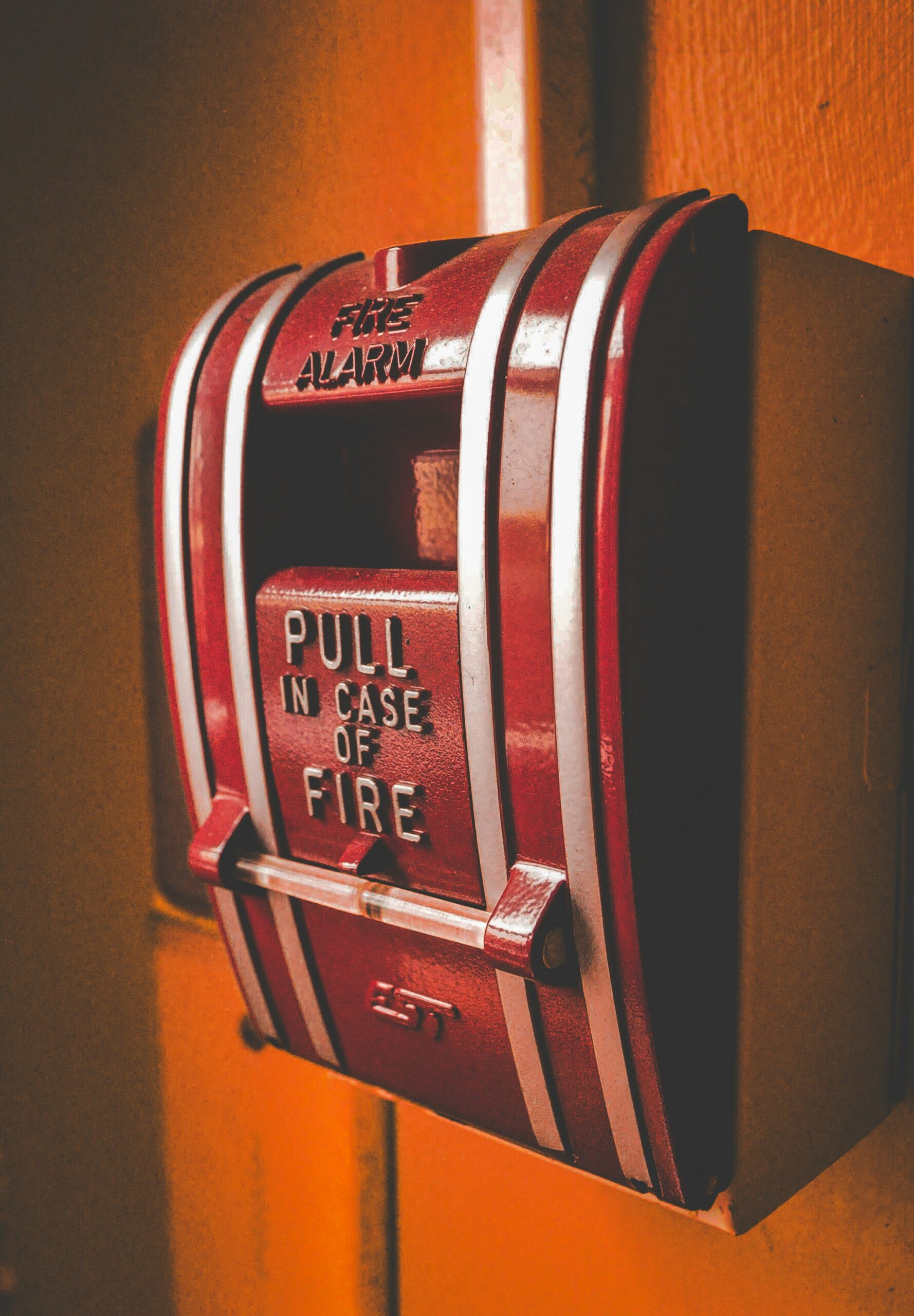
March 19, 2026 • Fire alarms, Fire Sprinklers
What to Do in First 60 Seconds of a Commercial Fire Emergency
In the event of a fire in a commercial property, every second counts. Knowing the immediate actions to take can be the difference between safety and disaster. This article outlines essential steps to follow in the first 60 seconds of a fire emergency, helping business owners, managers, and employees act swiftly and confidently. Many commercial occupants feel unprepared during the chaos of a fire, but planning ahead can reduce panic and improve safety. We will cover immediate actions, creating a fire safety plan, essential equipment, a fire emergency checklist, and fire prevention tips tailored for commercial settings.
What Are the Immediate Actions to Take in the First 60 Seconds of a Fire Emergency in a Commercial Building?
When a fire emergency occurs in a commercial building, the first 60 seconds are critical for ensuring safety. Recognizing fire alarms and smoke detector alerts quickly is essential, as these devices are designed to provide early warnings. The sound of a smoke alarm is typically a loud, high-pitched, repetitive beeping, while some models may also have a voice alert. Understanding these signals can help occupants react promptly and avoid potential danger.
However, research suggests that while alarms are crucial, other factors also influence evacuation responses in commercial settings.
“Findings indicated varying levels of preparedness for fires and emergency evacuation among commercial building occupants. Factors influencing emergency preparedness included fire risk perception, employee training, and building-level emergency protocols. Research shows that fire alarms alone may not always trigger immediate evacuation. Visible cues, such as smoke or flames, are more likely to prompt a rapid response. Severe cues such as seeing fire or smoke were more likely to prompt evacuation.”
Following the recognition of an alarm, the next step is to evacuate safely and efficiently. This involves identifying the nearest exits, staying low to avoid smoke inhalation, and moving quickly but calmly to your designated assembly point outside. It is crucial to avoid using elevators during a fire, as they may become inoperable or lead to dangerous situations.
Crisp-LaDew offers comprehensive fire safety solutions, including fire detection systems that ensure your commercial property is equipped with reliable alarms and alerts. These systems are vital for early detection and can significantly enhance safety during a fire emergency.
How to Recognize Fire Alarms and Smoke Detector Alerts Quickly in Commercial Settings
Recognizing fire alarms and smoke detector alerts quickly can save lives in commercial buildings. Fire alarms typically emit a loud, high-pitched, repetitive beeping sound, while smoke detectors may have a different tone or voice alert. It is important for all employees and occupants to familiarize themselves with the specific sounds and alerts of the building’s smoke detectors and alarms so they can respond immediately.
In addition to auditory signals, many modern smoke detectors have visual indicators, such as flashing lights, that can help alert occupants to danger. Regularly testing smoke detectors and ensuring they are functioning properly is essential for maintaining safety in commercial properties.
What Steps Should You Follow to Evacuate Safely and Efficiently in a Commercial Fire Emergency?
Evacuating safely and efficiently during a fire emergency in a commercial building involves several key steps. First, always know your escape routes and practice them regularly with all employees. Identify the nearest exits and ensure they are clear of obstacles.
When evacuating, remember to stay low to the ground to avoid smoke inhalation, which can be deadly. Cover your mouth with a cloth if possible, and move quickly but calmly to your designated assembly point outside. Once outside, do not re-enter the building until it has been declared safe by emergency personnel.
How Do You Create an Effective Fire Safety Plan for Commercial Properties for Rapid Response?
Creating an effective fire safety plan is essential for rapid response during a fire emergency in commercial properties. This plan should include key elements such as designated assembly points, escape routes, employee roles, and communication strategies.
Developing a comprehensive plan, including understanding how to escape and maintain safety equipment, is a critical component of overall commercial fire preparedness.
Regularly practicing your fire evacuation plan with all employees ensures everyone knows what to do in case of an emergency. This practice can help reduce panic and confusion during a real fire situation.
Emphasizing the importance of employee involvement, studies highlight that practicing fire escape plans, including designated assembly points, significantly enhances safety.
“Employee fire escape planning involves knowing how every person would safely exit the building in the event of a fire or smoke alarm, and deciding on a designated assembly point outside. Regularly practicing this plan ensures that everyone can respond quickly and calmly during an emergency.”
Crisp-LaDew provides consultation services to help commercial property managers develop tailored fire safety plans that meet their specific needs. Professional guidance can enhance preparedness and ensure all occupants know how to respond effectively.
What Are the Key Elements of a Fire Evacuation Plan for Commercial Buildings?

A fire evacuation plan for commercial properties should include several key elements to ensure safety. These elements are:
- Designated Assembly Points: Choose safe locations outside the building where all occupants will gather after evacuating.
- Escape Routes: Identify multiple escape routes from each area or office, ensuring they are clear and accessible.
- Communication Plans: Establish methods for employees to communicate during an emergency, such as using mobile phones, two-way radios, or a designated contact person.
- Employee Roles and Responsibilities: Assign specific roles such as fire wardens or floor marshals to assist with evacuation and ensure accountability.
By incorporating these elements into your fire evacuation plan, you can enhance the safety of all occupants during a fire emergency.
How to Establish and Practice Fire Escape Routes with Employees
Establishing and practicing fire escape routes with employees is crucial for ensuring everyone knows how to respond during a fire emergency. Begin by walking through the commercial property and identifying all possible exits from each area.
Once you have established your escape routes, conduct regular fire drills to practice these routes. Involve all employees to ensure everyone understands the plan. Discuss the importance of staying calm and following the established routes during an emergency.
Which Fire Safety Equipment Is Essential for Immediate Use During a Commercial Fire Emergency?
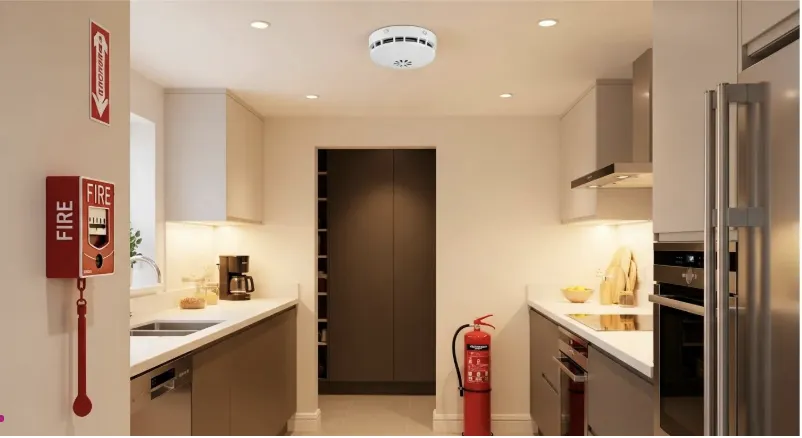
Having the right fire safety equipment readily available can significantly enhance safety during a fire emergency in commercial properties. Essential equipment includes smoke detectors, fire alarms, fire extinguishers, and sprinkler systems.
Smoke detectors and fire alarms are critical for early detection, alerting occupants to danger before it becomes life-threatening. Fire extinguishers can be used to control small fires before they escalate, but it is essential that employees are trained in their proper use.
How Do Smoke Detectors and Fire Alarms Enhance Early Fire Detection in Commercial Buildings?
Smoke detectors and fire alarms play a vital role in enhancing early fire detection in commercial buildings. These devices are designed to sense smoke or heat and alert occupants to potential danger.
Regular maintenance of smoke detectors, including testing and battery replacement, ensures they function correctly. Many modern smoke detectors also feature interconnected systems that allow multiple alarms to sound simultaneously, providing an added layer of safety.
What Is the Proper Use of Fire Extinguishers in the First Moments of a Commercial Fire?
Using a fire extinguisher properly in the first moments of a fire can prevent a small fire from becoming a larger disaster. The PASS technique is a widely recommended method for using fire extinguishers:
- Pull the pin to unlock the extinguisher.
- Aim the nozzle at the base of the fire.
- Squeeze the handle to release the extinguishing agent.
- Sweep the nozzle from side to side until the fire is out.
Remember that fire extinguishers are only effective for small fires. If a fire spreads quickly, produces heavy smoke, or you feel unsafe, evacuate immediately and call emergency services.
What Fire Emergency Checklist Should Commercial Property Managers Follow to Prepare for Rapid Evacuation?
Having a fire emergency checklist can help commercial property managers prepare for rapid evacuation during a fire. This checklist should include essential items and information that can be quickly accessed in an emergency.
Which Items and Information Should Be Included in Your Commercial Fire Emergency Checklist?
Your fire emergency checklist should include the following items:
- Important Documents: Keep copies of essential documents, such as building plans, fire safety certifications, insurance policies, and emergency contact lists, in a fireproof and easily accessible location.
- Emergency Contacts: List important phone numbers, including fire department, building management, security, and key personnel.
- Employee Medical Information: Include a list of any medical conditions or medications that employees may need during an emergency, if appropriate and compliant with privacy regulations.
By having these items readily available, you can ensure a smoother evacuation process during a fire emergency.
How to Keep Emergency Contact Numbers and Communication Plans Accessible in Commercial Properties
Keeping emergency contact numbers and communication plans accessible is vital for effective response during a fire emergency. Consider storing important numbers in multiple locations, such as:
- On company communication systems: Ensure emergency contacts are saved in office phones and digital directories.
- Printed copies: Keep a list of emergency contacts in common areas, security desks, and near telephones.
- Employee communication plan: Discuss and practice your communication plan with all employees to ensure everyone knows how to reach each other during an emergency.
How Can You Prevent Fires to Minimize Emergency Risks in Commercial Properties?
Preventing fires is essential for minimizing emergency risks in commercial properties. By implementing practical fire prevention tips, property managers and business owners can significantly reduce the likelihood of a fire occurring.
What Are Practical Fire Prevention Tips for Commercial Properties?
Here are some practical fire prevention tips for commercial properties:
- Regularly Inspect Electrical Systems: Check for frayed wires, overloaded circuits, and faulty equipment, and replace or repair any damaged components promptly.
- Practice Safe Cooking and Equipment Use: Never leave cooking or machinery unattended, and keep flammable materials away from heat sources.
- Store Flammable Materials Safely: Keep gasoline, cleaning agents, and other flammable substances in approved containers and away from heat sources, following all safety regulations.
- Maintain Clear Exits and Fire Doors: Ensure all exits and fire doors are unobstructed and properly functioning at all times.
Following these fire prevention tips can help commercial property managers create a safer environment and significantly reduce the risk of fire emergencies.
How Does Regular Maintenance of Fire Safety Equipment Reduce Fire Hazards in Commercial Buildings?
Regular maintenance of fire safety equipment is crucial for reducing fire hazards in commercial buildings. This includes:
- Testing Smoke Detectors: Regularly test smoke detectors to ensure they are functioning correctly and replace batteries or service units as needed.
- Inspecting Fire Extinguishers: Check fire extinguishers for proper pressure, damage, and accessibility, and have them serviced or replaced according to manufacturer guidelines and local regulations.
- Maintaining Fire Alarm and Sprinkler Systems: Schedule professional inspections and maintenance of fire alarm and sprinkler systems to ensure they are in good working order.
- Training Employees: Provide regular fire safety training and drills to ensure all employees know how to use equipment and respond appropriately.
By maintaining fire safety equipment and training employees, commercial property managers can enhance preparedness and reduce the risk of fire emergencies.