 Search
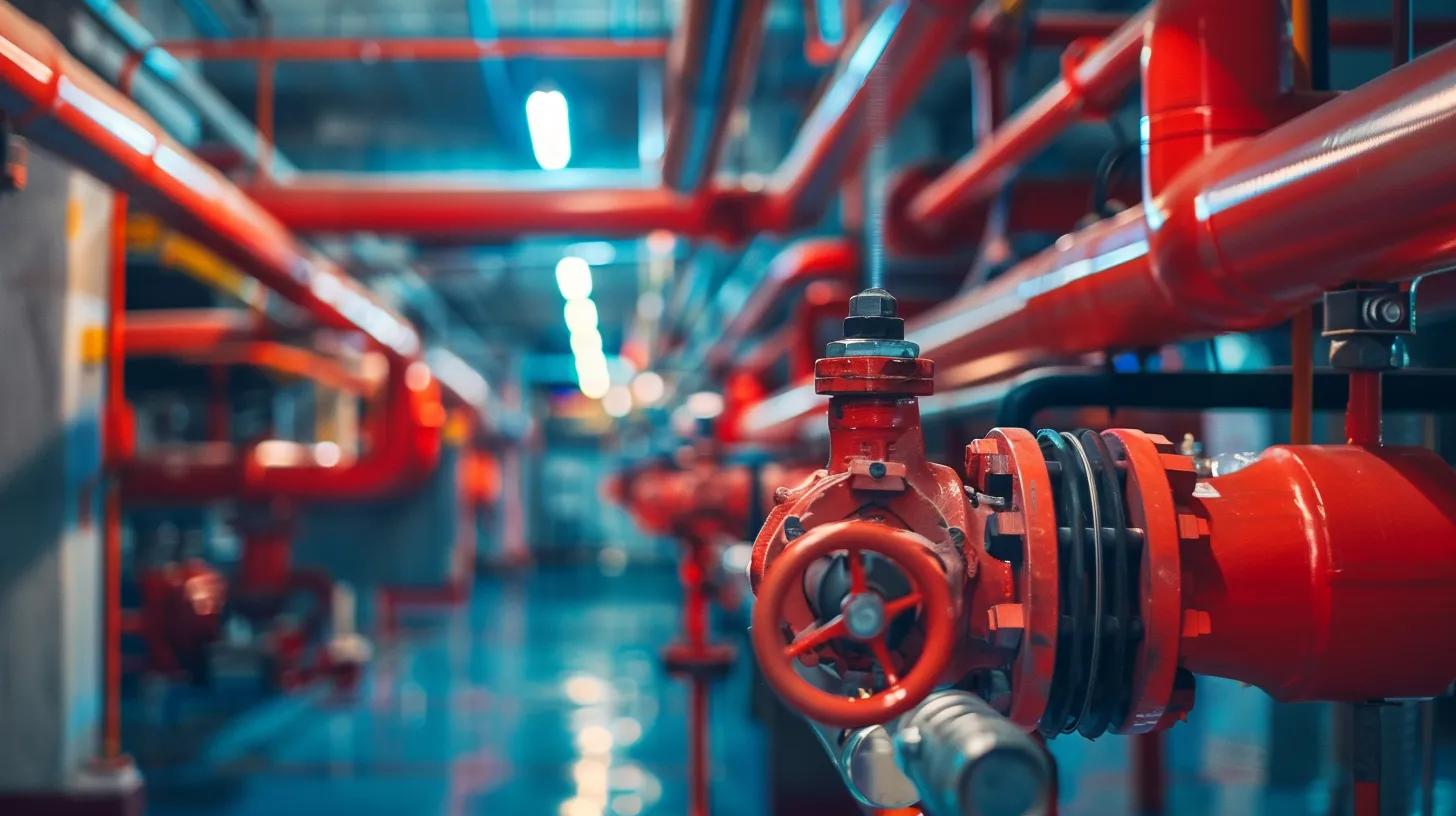
June 1, 2026 • Fire Sprinklers
How They Protect Lives and Property
Fire sprinkler systems are essential components of fire safety, designed to automatically control or suppress fires. Standard systems activate when heat from a fire reaches a specific temperature, minimizing damage and protecting lives. Understanding how fire sprinkler systems work is crucial for safety in both residential and commercial spaces, including high-risk areas like commercial kitchens and outdoor cooking setups.
Two approaches are commonly used to estimate their effectiveness:
- Component-Based Approaches – Use fault trees or similar methods to evaluate individual system components.
- System-Based Approaches – Analyze fire incident data where sprinklers were present to determine overall performance.
Sprinkler systems have been shown to significantly reduce fire damage and improve life safety when properly installed and maintained.
How Fire Sprinkler Systems Work
Fire sprinkler systems operate through a network of pipes and heat-activated sprinkler heads. Each sprinkler head activates individually when it reaches a set temperature, ensuring water is delivered only to the areas affected by fire. This targeted approach minimizes water damage while controlling flames and smoke.
Main Components of a Fire Sprinkler System

A typical fire sprinkler system includes:
- Sprinkler Heads: Release water when activated by heat.
- Pipes: Transport water to each sprinkler head.
- Valves: Control water flow within the system.
- Alert Devices (Smoke/Heat Detectors): Notify occupants of fire, but do not trigger sprinkler heads.
Each component is essential for reliable and effective fire suppression.
Sprinkler Heads & Activation Sensors
Sprinkler heads usually activate at temperatures around 155°F (68°C). When the heat reaches the glass bulb inside the sprinkler head, it breaks, allowing water to flow. Smoke alarms and heat detectors alert occupants but generally do not trigger sprinklers directly. Some specialized systems, such as ESFR or deluge sprinklers, may operate differently in industrial or high-risk environments.
Types of Fire Sprinkler Systems
Wet Pipe Systems
- Pipes are always filled with water.
- Provide immediate response to fires.
Dry Pipe Systems
- Pipes contain pressurized air or nitrogen, holding back water until activated.
- Ideal for environments prone to freezing.
Other Types (Optional)
- Pre-Action Systems: Water released only after dual triggers (heat + detection).
- Deluge Systems: All heads release water simultaneously; used in high-risk areas.
Dry Pipe Sprinkler Maintenance & NFPA Compliance
Regular inspections, testing, and maintenance are crucial. NFPA 25 standards recommend actionable self-inspection programs, proper documentation, and active staff involvement. Dry pipe systems require special attention to prevent corrosion, ensure valve functionality, and maintain reliable operation.
Features of Automatic Fire Sprinklers
- Individual Activation: Only sprinklers near the fire activate.
- Reliability: Tested to function effectively during emergencies.
- Life Safety Benefits: Reduce risk of injury or death by controlling flames and smoke.
Installing a Fire Sprinkler System
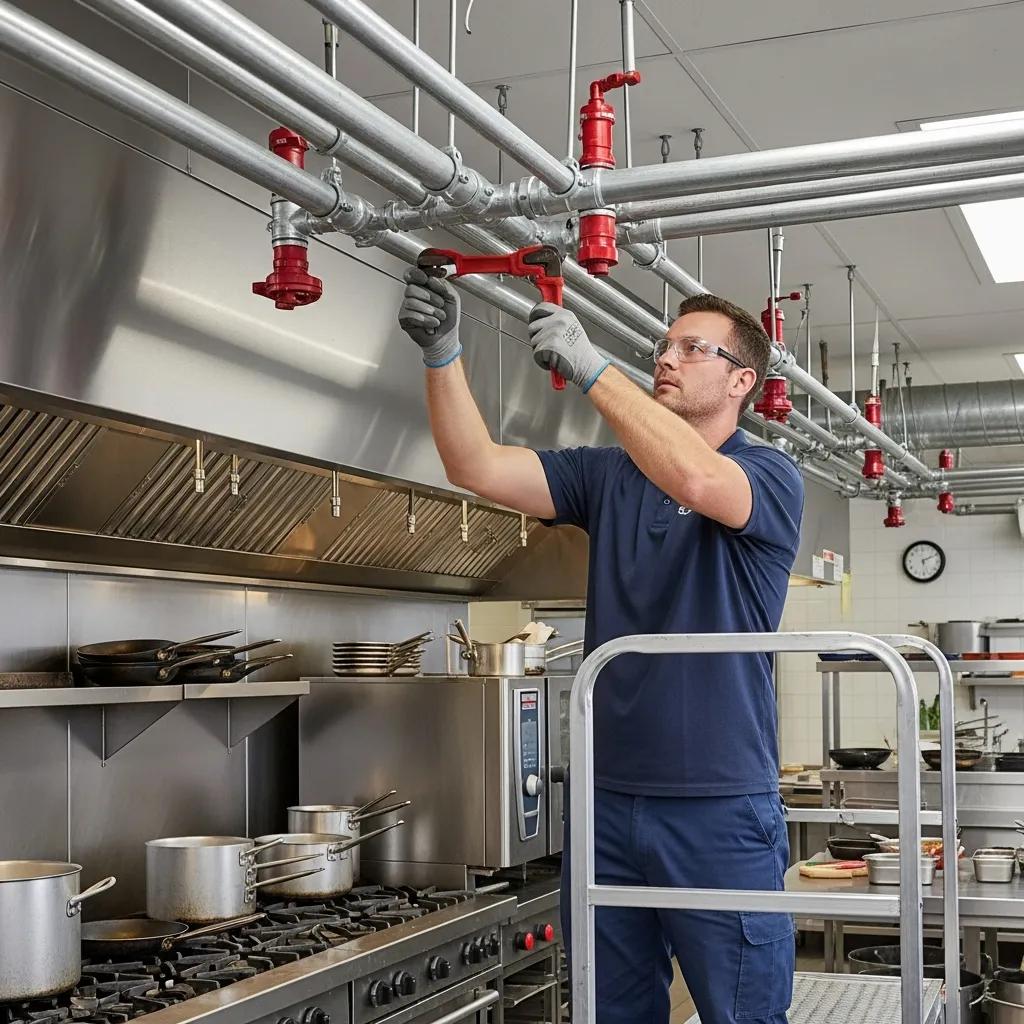
Key Steps
- Assessment of Fire Risks: Evaluate hazards in the area.
- System Design: Layout that meets safety standards.
- Installation: Install pipes, sprinklers, valves, and related components.
- Testing and Compliance: Ensure operation meets local regulations.
Outdoor Cooking Integration
- Ensure sprinklers can suppress fires near cooking equipment.
- Address placement challenges for effective coverage.
- Use corrosion-resistant materials for outdoor environments.
Benefits and Maintenance
Fire sprinkler systems are vital for fire safety, offering effective suppression and protection for lives and property. Proper understanding, installation, and maintenance ensure these systems operate reliably, especially in high-risk areas like commercial kitchens and outdoor cooking spaces.